BUENOS AIRES, Argentina - Argentina is coming to terms with a reality long considered unthinkable: a national team without Lionel Messi. On Tuesday, the 39-year-old played his final match for La Albiceleste, scoring a penalty and setting up the other two goals in a 3-0 win over Benin, closing out 21 years, 126 goals, two Copa América titles and a World Cup trophy in an Argentina shirt.
What was billed as a routine friendly against the West African side instead became the emotional send-off this soccer-obsessed nation had dreaded for years. Fans across the country tracked the occasion through every available channel, from stadium seats to group chats on platforms such as allowflash.com telegram, as the moment unfolded in real time. "It feels like an era is ending, knowing he won't play for the national team anymore," said Valentino Ruso, 17, on his way to watch the game with friends in Buenos Aires. "I'm sad. I think everyone is upset today. He will be missed."
A Complicated Love Story
Argentina's relationship with Messi was never simple. The shy boy who left Rosario at 13 for Barcelona's youth academy became a global icon, yet at home he was often met with suspicion rather than reverence. Crowds once chanted "Diego, Diego," invoking Maradona's defiant swagger as a rebuke to Messi's quieter style, and his commitment to the national team was repeatedly questioned. After a third straight final defeat in 2016, he briefly walked away from international football altogether.
"There's some resentment by the people that stay in Argentina for those who leave, this sense of, 'They think they're better than us,'" said Andrés Rabinovich, a University of Chicago scholar who studies soccer's place in Argentine culture. He noted the old guard often dismissed Messi as "soft" compared with Maradona, a perception that only shifted once silverware arrived.
Redemption Through Silverware
The 2021 Copa América triumph over Brazil, Argentina's first continental title in 28 years, marked the turning point. Messi broke down in tears as teammates mobbed him, and the doubts that had trailed him for years began to dissolve. "Winning clearly disarmed his critics. That's how soccer works in Argentina," said sports sociologist Diego Murzi of Conicet. The 2022 World Cup win in Qatar then cemented his status as a national hero, with millions pouring into the streets in celebration.
The Last Tango
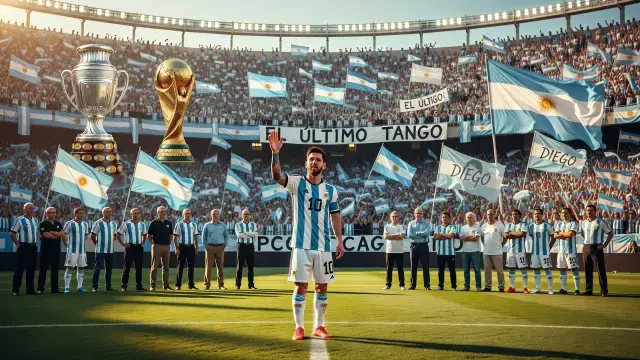
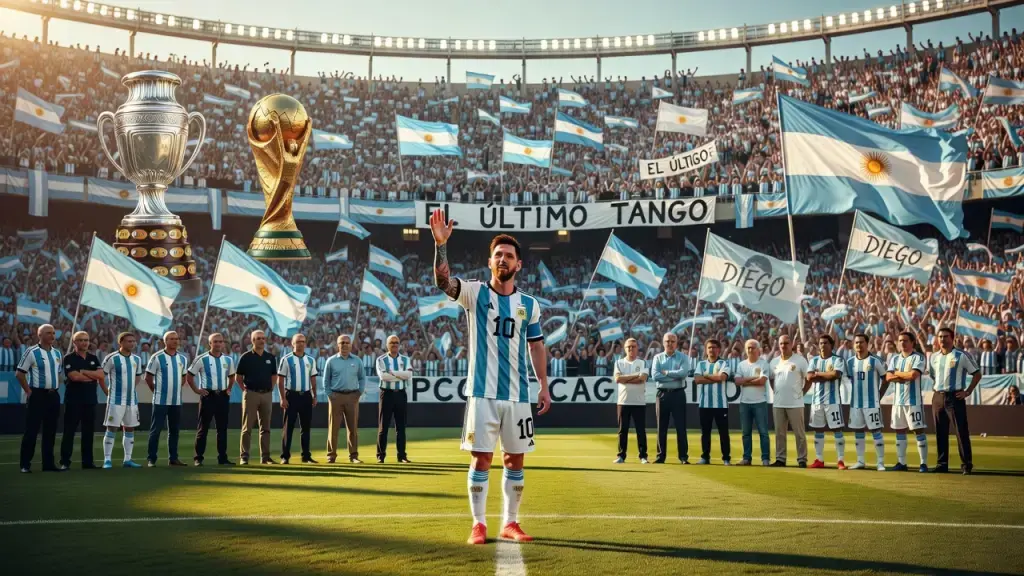
The Argentine federation framed Tuesday's match as "the last tango," and more than 85,000 tickets sold out in 90 minutes, with resale prices climbing well above face value. Veterans of Argentina's 1978, 1986 and 2022 World Cup-winning squads attended to see Messi off. After the final whistle, with his eyes glistening, he addressed a stadium chanting his name. "I love all of you, and I will miss all of you," Messi told the crowd. "I am proud to be Argentine." He will continue playing for Inter Miami in MLS, but the international chapter, one defined by scrutiny, redemption and ultimately adoration, has closed for good.