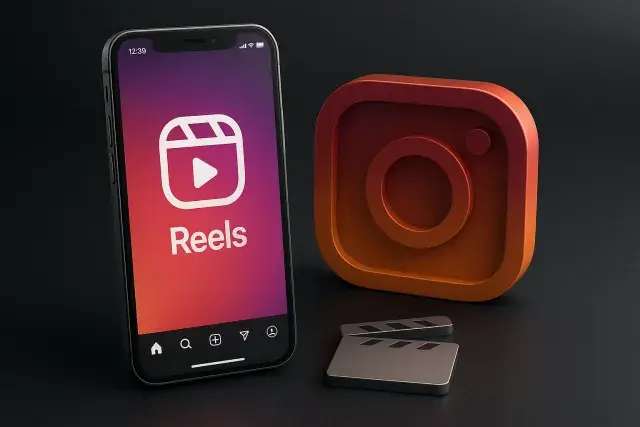
Ninety seconds. That's roughly how long it takes for a Reel to either grab someone's attention or vanish into the scroll, and the rules that decide which outcome happens change more often than most creators realize. Instagram doesn't announce every tweak to its Reels system with a press release. Some changes arrive quietly, buried in a support page update or a brief note in the app itself, while others reshape entire content strategies overnight.
Anyone who posts video content on Instagram has felt the whiplash: a format that worked last month suddenly underperforms, or a feature nobody asked for becomes central to how content gets seen. This isn't random. It's the result of continuous adjustments to distribution logic, editing tools, and monetization structures that Meta rolls out in waves. Understanding these shifts is the difference between reacting to a drop in views and knowing why it happened in the first place.
Some creators, while adjusting their content strategy to match new algorithm behavior, also use short-term visibility tactics to keep early momentum going. Services like boost instagram story views are sometimes used during launch windows to help a video gain initial traction while its content strategy catches up with a platform update. Whether or not that approach fits a given account, it points to a broader truth: staying static while Reels evolves is rarely a sustainable option.
This guide breaks down what these updates actually are, how they've evolved, what's changed most recently, and what to expect as Instagram continues refining Reels through 2026.
Cos'è un aggiornamento di Instagram Reels: definizione e funzionamento di base
An Instagram Reels update, at its most basic, is any change Meta makes to how the Reels feature operates. That sounds broad because it is. Instagram Reels updates what is often misunderstood as a single event is actually a category covering four distinct types of change: adjustments to the recommendation algorithm, new or modified editing tools, shifts in monetization eligibility, and changes to how Reels appear across the app's interface.
Each type behaves differently. An algorithm adjustment might change which signals determine whether a video gets shown to non-followers. An editing tool update might add a new transition effect or an AI-assisted caption generator. A monetization update might change payout thresholds or eligibility requirements for bonus programs. An interface update might move where Reels appear on the home feed or change how the Explore page surfaces video content.
Meta communicates these changes inconsistently. Major shifts sometimes get a blog post or an in-app notification. Smaller algorithm tweaks, the kind that quietly affect reach without any fanfare, are rarely disclosed at all. Creators typically notice these through changes in performance data rather than through any formal announcement.
- Algorithm updates: changes to how content is ranked and distributed
- Editing and creation tools: new effects, templates, or AI-assisted features
- Monetization updates: changes to creator payment programs and eligibility
- Interface updates: changes to where and how Reels are displayed within the app
- Policy updates: changes to content guidelines affecting what can be posted
Instagram Reels updates: come si sono evoluti nel tempo
Reels launched as Instagram's direct answer to short-form video competition, and its early years reflected that defensive posture. The first versions were limited in duration, offered basic editing tools, and largely mirrored features already available elsewhere. Over time, that changed. Instagram stopped treating Reels as a reactive feature and began developing it as a platform in its own right.
The shift became visible through several concrete changes: extended video length limits, the introduction of collaborative features like Remix, and deeper integration between Reels and Instagram's core feed. Each of these moves signaled a strategic decision to make Reels central to the overall app experience rather than a bolted-on feature competing for attention with Stories and regular posts.
| Development Phase | Primary Focus | Effect on Creators |
|---|---|---|
| Early stage | Basic short-form video with limited duration | Simple content format, limited creative flexibility |
| Expansion stage | Longer video limits, Remix, and collaboration tools | More creative options, increased competition for attention |
| Integration stage | Deeper placement within the main feed and Explore | Higher visibility potential, stronger dependence on algorithm behavior |
What this history shows is a consistent pattern: Instagram Reels updates tend to expand creative capability first, then adjust distribution logic to match. Creators who understand this sequence can often anticipate which type of change is coming next based on what's already shifted.
Instagram Reels updates latest: le novità più recenti
The most recent wave of Instagram Reels updates centers on three areas: smarter content distribution signals, expanded creative tools powered by automation, and refined audio integration. These changes reflect a broader push toward making Reels creation faster while making distribution more selective about what qualifies as genuinely engaging content.
Instagram Reels updates latest developments show a clear pattern of rewarding original content over recycled or reposted material. The platform has become more capable of detecting duplicate content, which means creators relying on reposting trending clips from other platforms are seeing reduced reach compared to those producing original footage, even when the original clips are simpler in production quality.
- Refined detection of duplicate or recycled content from other platforms
- Expanded automated editing suggestions based on trending formats
- Improved audio syncing tools for creators using licensed or original soundtracks
- Adjustments to how watch-time and completion rate factor into distribution
| Area | Before Recent Update | After Recent Update |
|---|---|---|
| Content originality detection | Limited ability to flag reposted content | Stronger prioritization of original uploads |
| Editing assistance | Manual template selection | Automated suggestions based on content type |
| Audio tools | Basic audio trimming | Improved syncing with visual cuts and transitions |
Aggiornamenti dell'algoritmo di distribuzione
The distribution algorithm now weighs a combination of signals more heavily than raw view counts. Completion rate, meaning how much of a video a viewer watches before scrolling away, has become one of the strongest indicators of whether a Reel gets pushed to a wider audience. Shares and saves also carry more weight than they did previously, since Instagram treats these actions as stronger evidence of value than a simple like.
A common mistake creators make after noticing an algorithm shift is overcorrecting immediately, changing content style, posting frequency, and format all at once. This makes it nearly impossible to identify which change actually caused a performance shift. A more effective approach involves adjusting one variable at a time and tracking results over a consistent period before making further changes.
Nuovi strumenti di editing e creazione
Recent tool additions focus heavily on reducing production time without sacrificing visual quality. Automated caption generation, AI-suggested cuts based on audio beats, and template libraries that adjust to trending formats have all become standard parts of the creation flow. These tools lower the technical barrier for new creators, though they also mean visual polish alone no longer distinguishes a Reel from thousands of others using the same templates.
Instagram Reels updates explained: come interpretare i cambiamenti dell'algoritmo
Understanding why Instagram introduces a particular change matters more than simply knowing what changed. Instagram Reels updates explained through the lens of platform incentives usually reveal a straightforward motive: Meta adjusts Reels behavior to increase time spent in the app, encourage content diversity, or respond to competitive pressure from other short-form video platforms.
Reading an update correctly requires a structured approach rather than a gut reaction. Jumping to conclusions after a single day of unusual performance data leads to poor decisions. A more reliable process involves observing patterns over time, testing adjustments deliberately, and measuring results before committing to a new strategy.
- Observe performance data for at least one to two weeks after noticing unusual patterns
- Identify whether the change affects reach, engagement, or both
- Test one specific adjustment, such as content length or posting time, without changing everything at once
- Measure the results against a comparable baseline period
- Adjust the broader content strategy only after confirming the pattern is consistent
Creators who skip this process often misattribute a temporary dip to a permanent algorithm shift, or vice versa. A single underperforming Reel rarely indicates a platform-wide change. Consistent patterns across multiple posts over several weeks are a far more reliable signal.
Instagram Reels updates 2026: cosa aspettarsi nel prossimo futuro
Predicting exact features is speculative, but current signals point toward a few clear directions for Instagram Reels updates 2026. Automation in content creation is likely to expand further, with AI-assisted editing becoming more deeply integrated into the default creation flow rather than existing as an optional add-on. Shopping integration within Reels also appears to be an area Instagram continues investing in, building on existing tagging and product-linking features.
Competitive pressure from other short-form video platforms will likely continue shaping how aggressively Instagram refines its distribution algorithm. Historically, major shifts in Reels behavior have often followed periods of increased competition, suggesting that upcoming changes may focus on making Reels distribution feel more personalized and less dependent on broad trending audio or effects.
| Expected Trend | Likelihood Based on Current Direction | Potential Impact on Creators |
|---|---|---|
| Deeper AI-assisted editing integration | High, based on current tool expansion | Faster content production, increased visual competition |
| Expanded shopping and product tagging | Moderate to high, building on existing features | New monetization paths for product-focused creators |
| More personalized distribution signals | Moderate, based on historical patterns | Less reliance on trending audio, more on niche relevance |
These projections rest on observable trends rather than confirmed plans. Instagram Reels updates 2026 will ultimately depend on user behavior data Meta collects between now and then, which means flexibility in strategy remains more valuable than betting heavily on any single predicted feature.
Come adattare la propria strategia agli aggiornamenti di Reels: consigli pratici
Adapting to Instagram Reels updates doesn't require constant strategy overhauls. It requires a consistent process for monitoring change, testing responses, and adjusting content without abandoning what already works. Creators who treat every update as a crisis tend to burn out faster than those who treat it as a routine part of running a content strategy.
- Check official Instagram or Meta communication channels periodically for confirmed feature announcements
- Monitor performance metrics weekly rather than daily to avoid reacting to short-term fluctuations
- Test new formats or tools on a small portion of content before committing fully
- Compare completion rates and shares across content types to identify what the current algorithm favors
- Adjust posting frequency or content style gradually rather than abruptly
- Avoid changing multiple content variables simultaneously after noticing a performance shift
- Avoid assuming every drop in views is caused by an algorithm change rather than content quality
- Avoid ignoring new tools entirely out of habit, since early adoption sometimes correlates with temporary visibility boosts
- Avoid abandoning a content style after one underperforming post without checking for a pattern
Combining organic content strategy with short-term visibility support can also help during periods when a new algorithm behavior is still being tested. This isn't a substitute for strong content, but it can smooth out the volatility that often follows a major platform update.
Questions and Answers
How often does Instagram change how Reels are distributed?
Minor algorithm adjustments happen frequently, sometimes on a rolling basis without any announcement. Larger, more noticeable changes tend to arrive a few times a year, often timed around competitive pressure or broader platform strategy shifts.
Do Reels updates affect regular posts and Stories too?
Some updates are isolated to Reels, particularly those involving video editing tools or Reels-specific monetization programs. Others, especially changes to the core recommendation algorithm, affect the entire app since Reels, Stories, and feed posts often share underlying ranking signals.
How can I tell if a drop in views is caused by an update or by my own content?
Compare performance across multiple recent posts rather than judging based on a single video. If the drop affects nearly everything you post around the same time, and other creators report similar patterns, an update is more likely the cause. If only specific videos underperform while others remain steady, content quality or format is the more probable factor.
Are Instagram Reels updates rolled out at the same time in every country?
No. Instagram frequently rolls out new features and algorithm changes gradually by region, which means a feature visible in one market may not appear elsewhere for weeks or longer. This staggered rollout is standard practice for testing features before wider release.
Is it worth using external tools to manage visibility during algorithm changes?
External visibility tools can provide short-term support during uncertain periods, but they work best as a supplement to strong content rather than a replacement for it. Relying on them exclusively without addressing underlying content quality rarely produces lasting results.
Why do some creators see better results after an update while others see worse performance?
Updates typically favor specific behaviors, such as higher completion rates or original content, over others. Creators whose existing style already aligns with the new priorities tend to benefit, while those relying on tactics the update specifically targets, like reposted content, often see reduced reach.